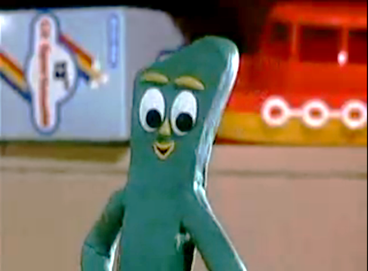
In the vibrant tapestry of classic animation, few duos are as instantly recognizable and dearly loved as Gumby and his steadfast companion. The green, malleable claymation hero, with his boundless curiosity and heartwarming innocence, embarked on countless whimsical adventures. Yet, alongside him, providing a grounding force and a touch of dry humor, was his equally iconic steed. For generations of fans, from those who grew up with the original show to newcomers discovering its charm, a fundamental question often arises: What is Gumby's horse's name?
This seemingly simple query unlocks a deeper appreciation for one of animation's most enduring friendships, revealing layers of character design, pioneering storytelling, and the timeless appeal of a loyal partnership. Gumby’s world wouldn’t be complete without his four-legged friend, who brought not just mobility but also personality, wisdom, and a crucial balance to every narrative. Let's saddle up and trot through the fascinating history and lasting legacy of this unforgettable character, exploring why this particular horse, Gumby's horse, has galloped into the hearts of millions.
The Iconic Name Revealed: Meet Gumby's Loyal Companion, Pokey
Without further ado, the answer to the age-old question is as simple as it is memorable: Gumby's horse is named Pokey. This endearing name is perfectly suited to a character whose gentle nature often provided a cautious counterpoint to Gumby's more impulsive spirit. Pokey is far more than just a means of transport; he is an integral part of Gumby’s universe, serving as a loyal confidant, a voice of reason, and a frequent source of comic relief.
Pokey's distinctive appearance also makes him instantly recognizable. A bright orange clay horse with expressive eyes and a generally calm demeanor, he contrasts visually with Gumby's verdant hue. His slightly plump form and deliberate movements are perhaps what inspired his apt name, suggesting a character who takes his time, observes carefully, and considers consequences – a stark yet complementary difference to Gumby's often spontaneous leaps into adventure.
- Name: Pokey
- Species: A distinctive orange clay horse
- Role: Gumby’s loyal best friend, confidant, and sidekick
- Personality Traits: Cautious, wise, dryly humorous, pragmatic, deeply loyal
- Debut: 1956, appearing alongside Gumby in the groundbreaking animated series
His presence in the show, which premiered in 1956, marked the beginning of one of animation’s most beloved duos. Pokey often provides the necessary dose of reality when Gumby’s imagination runs wild. Whether cautioning Gumby against a risky plan or simply offering a supportive neigh, Pokey consistently embodies steadfast loyalty. As many fans often express, "You can't have Gumby without Pokey; they are indeed a package deal." This sentiment underscores the profound connection between the two characters, whose individual quirks shine brightest when they are together, navigating the whimsical challenges of their claymation world.
The Claymation Genesis: Art Clokey and the Birth of Pokey
The creation of Pokey is intrinsically linked to the genius of Art Clokey, a true pioneer in the field of stop-motion animation. In the mid-20th century, Clokey revolutionized children's television by bringing the tactile, three-dimensional world of claymation to life. He conceived Gumby as a flexible, human-like character, and knowing that every hero needs a trusty companion, he introduced Pokey as his equine partner.
The decision to make Gumby's horse a vibrant orange was a deliberate artistic choice, ensuring he would stand out against the varied backdrops of Gumby’s adventures. Furthermore, the very nature of a horse aligned perfectly with the themes of loyalty, partnership, and exploration that Clokey wanted to convey. Horses have historically symbolized strength, freedom, and an unbreakable bond with their riders, qualities that Pokey embodies in every episode.
Clokey's innovative stop-motion technique, meticulously moving and filming clay figures frame by frame, imbued Pokey with a unique expressiveness. Despite being made of clay, his subtle movements, shifts in posture, and characteristic eye expressions conveyed a remarkable range of emotions – from skepticism and fear to deep affection and quiet amusement. This pioneering approach allowed Pokey to develop a distinctive personality that transcended the limitations of the medium. Pokey wasn't just a prop; he was a living, breathing character in a world brought to life through painstaking animation, solidifying his place not just as a sidekick but as a foundational element of early claymation history.
More Than a Sidekick: Pokey's Enduring Appeal and Character Dynamics
While Gumby is undoubtedly the star, Pokey plays a pivotal role in making their adventures relatable and engaging. The dynamic between Gumby’s boundless enthusiasm and Pokey’s grounded caution is a timeless comedic and narrative pairing. Gumby's impulsiveness often drives the plot, but Pokey's more measured approach frequently provides the solutions or highlights the consequences, creating a balanced and effective problem-solving unit.
Consider the many scenarios where Gumby might enthusiastically suggest warping into a book or tackling a challenge head-on, only for Pokey to offer a skeptical glance, a hesitant neigh, or a pithy remark like, "Oh, Gumby!" His dry humor often serves as a gentle reality check, making him the relatable character for viewers who might share his occasional exasperation or common-sense perspective. This comedic foil enhances the storytelling, preventing Gumby’s world from becoming too fantastical and ensuring there’s always an element of relatable human (or horse) experience.
The profound loyalty Pokey demonstrates towards Gumby is another cornerstone of his appeal. No matter how perilous the situation, how misguided Gumby's plan, or how much Pokey might grumble, he always stands by his friend. This unwavering support is a powerful message of true friendship, resonating with audiences of all ages. Their bond teaches valuable lessons about mutual respect, the strength of diverse personalities, and the importance of having someone reliable by your side. This enduring connection is a core reason why Pokey's lasting impact transcends mere animation, making him an unsung hero whose quiet strength underpins many of Gumby’s greatest triumphs.
The Legacy of a Clay Horse: Why Pokey Still Matters Today
Decades after their debut, Gumby and Pokey continue to captivate new generations, solidifying their status as pop culture icons. Their enduring appeal speaks volumes about the quality of their original storytelling, the pioneering nature of their animation, and the timeless themes they explore. Pokey, as Gumby's horse, contributes significantly to this legacy. He is a testament to how even a supporting character can leave an indelible mark when crafted with thought and purpose.
For those rediscovering the magic of Gumby or introducing it to younger audiences, paying attention to Pokey's nuanced performance adds a layer of depth to the viewing experience. Observe his subtle reactions, his occasional sighs, or the way his eyes convey concern or amusement – these small details showcase the artistry of stop-motion and the careful character development by Art Clokey and his team.
Tips for Appreciating Pokey's Role:
- Watch with a Critical Eye: Pay attention to Pokey's non-verbal cues. How does his posture or facial expression (for a clay horse!) communicate his thoughts?
- Identify the Voice of Reason: Notice when Pokey interjects with caution or a practical solution, often balancing Gumby's more idealistic schemes.
- Appreciate the Contrast: The dynamic between Gumby's adventurousness and Pokey's pragmatism is key to their success. How do their differing personalities create engaging conflicts and resolutions?
- Reflect on Loyalty: Consider the consistent bond between them. What lessons about friendship and unwavering support can be learned from their adventures?
Pokey is more than just a name in animation history; he represents the archetypal loyal companion, the voice of grounded wisdom, and a beloved friend. His presence elevates Gumby’s adventures, providing not just physical transportation but emotional anchoring. The relationship between Gumby and his horse, Pokey, offers a beautiful illustration of how diverse personalities can form an unbreakable bond, navigating life's absurdities and challenges together, proving that sometimes, the most memorable heroes are those who faithfully stand by our side.
In conclusion, Gumby's horse is named Pokey, a character whose significance far transcends his simple moniker. From his groundbreaking origins in claymation to his role as a steadfast companion and a source of wisdom and humor, Pokey has cemented his place in the annals of animation history. He is a shining example of how a well-developed supporting character can become just as iconic and cherished as the main protagonist, forever enriching the vibrant, imaginative world of Gumby.