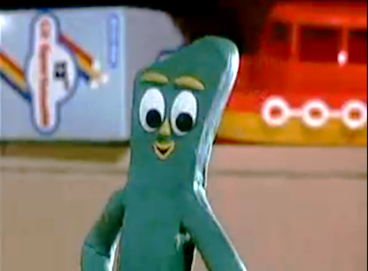
The Enduring Charm of Gumby's Horse: Meet Pokey, the Unsung Hero of Claymation
The landscape of classic animation is undeniably rich, teeming with memorable characters, intricate worlds, and, most importantly, enduring friendships that transcend generations. Among the most beloved pairings in television history stands Gumby, the pliable green protagonist, alongside his iconic, loyal companion: Gumby's horse. While Gumby's flexible form and heartwarming innocence immediately captured the imaginations of millions, it was his faithful steed who consistently brought a unique blend of humor, grounded wisdom, and undeniable personality to every scene.
For many, the seemingly simple query, "What is Gumby's horse's name?" opens a gateway to a deeper appreciation of animation history, meticulous character design, and the timeless appeal of a truly unique bond. More than just a supporting character, Gumby's horse embodies steadfastness and a quiet heroism that often goes unsung. Whether you're a devoted fan who grew up with the original series or a newcomer eager to explore classic pop culture, understanding the profound significance of Claymation Classic: The Story and Symbolism of Gumby's Horse reveals much about the power of names, the nuances of character development, and the lasting legacy of compelling storytelling. Let’s saddle up and embark on a journey into the world of Gumby and his beloved equine partner, exploring the hidden depths and delightful quirks that make this character so remarkably memorable.
Who is Gumby's Horse? Unpacking Pokey's Endearing Persona
At the very core of Gumby’s myriad adventures, from fantastical realms to everyday predicaments, stands his irreplaceable companion: Pokey. This isn't merely a name; it’s an identity that has become synonymous with loyalty, a touch of caution, and an undeniable charm. Pokey is far from being just a background element; he is an indispensable part of the Gumby universe, consistently offering comic relief, often serving as the voice of reason, and providing unwavering support to his green, shape-shifting friend.
Pokey’s name itself is a masterstroke of character branding. Simple, memorable, and perfectly aligned with his gentle, sometimes hesitant, and always deliberate personality, it stands out in an animated world where character names frequently carry profound symbolic weight. While Gumby is known for his boundless enthusiasm and a tendency to rush headlong into new experiences, Pokey acts as his foil, a steadying presence. He often represents the cautious observer, the one who thinks twice before leaping, providing a grounded perspective to Gumby's often whimsical impulses.
Consider Pokey's key attributes that have endeared him to generations:
- Loyalty: His unwavering devotion to Gumby is perhaps his most defining trait. No matter the danger or the absurdity of the situation, Pokey is always by Gumby's side.
- Voice of Reason: He frequently offers practical advice or expresses skepticism when Gumby's ideas veer too far into the impractical, often with a dry, understated humor.
- Humor: Pokey's cautious nature and often bewildered reactions to Gumby’s antics are a consistent source of gentle comedy, providing relatable moments for viewers.
- Balance: He provides a crucial counterbalance to Gumby's enthusiastic, sometimes naive, personality, creating a dynamic duo that is both entertaining and educational.
As many fans and creators alike attest, "You can't have Gumby without Pokey. They’re a package deal, the heart and soul of one of animation’s most enduring friendships." This sentiment underscores why What Is Gumby's Horse's Name? Meet the Iconic Pokey is more than just a trivial detail; it's central to understanding the very essence of the show. Pokey's name has, over the decades, come to signify steadfast partnership, reminding us that true heroes are often those who stand quietly, yet firmly, beside us.
The Claymation Genesis: Pokey's Origins and Purposeful Design
The very birth of Pokey within the captivating realm of claymation is a testament to the boundless creativity, daring experimentation, and a pioneering spirit that sought to push the boundaries of early television storytelling. Conceived by the visionary Art Clokey in the mid-1950s, Pokey was meticulously designed not just as a companion but as a complementary force to Gumby’s inherently adventurous spirit, offering a more grounded and often humorous perspective to their escapades.
Art Clokey, a true pioneer in the art of stop-motion animation, introduced Pokey alongside Gumby in 1956. The decision to make Pokey a horse was far from arbitrary. Horses have historically symbolized a potent blend of loyalty, partnership, freedom, and adventure – qualities that seamlessly integrated with the overarching themes of the Gumby series. Furthermore, an equine character allowed for dynamic movement and interaction within the stop-motion format, adding another layer of visual interest to the clay world.
Pokey’s distinctive orange hue and remarkably expressive eyes were carefully chosen to make him immediately recognizable and visually appealing, especially in the nascent days of color television. His simple, yet robust, clay form allowed animators an surprising degree of flexibility in conveying emotion, from mild annoyance to genuine concern, despite the inherent challenges of stop-motion. This deliberate design ensured that Pokey was not just a prop, but a character capable of deep emotional resonance.
His creation wasn't merely about having a sidekick; it was about establishing a dynamic. Pokey’s gentle nature, coupled with his slightly skeptical and sometimes pragmatic outlook, provided the perfect narrative counterpoint to Gumby’s boundless enthusiasm. This duality created rich opportunities for storytelling, allowing for both conflict and resolution, and deepening the emotional connection viewers felt with both characters. Pokey wasn't just a horse; he was the horse, crafted with intention to fulfill a crucial role in the enduring legacy of Art Clokey's claymation masterpiece.
More Than Just a Sidekick: Pokey's Enduring Cultural Imprint
While Gumby himself is the titular character, the lasting impact and cultural footprint of Gumby's horse, Pokey, extends far beyond his role as a mere sidekick. Pokey has transcended the confines of the television screen to become an icon in his own right, beloved for his distinctive personality, his unwavering loyalty, and his universal appeal. His presence has been a quiet, yet powerful, force in shaping the memories and imaginations of generations.
Pokey's relatability is a key factor in his enduring popularity. While Gumby often embarks on fantastical, sometimes illogical, adventures, Pokey's reactions are often those of the audience: a mix of bemusement, concern, and a yearning for things to make sense. This makes him a vital anchor for the viewer, a character through whom we can experience the surreal world of Gumby. He is the Everyman (or Everyhorse) in a world of whimsical clay.
The cultural impact of Pokey can be seen in various facets:
- Merchandising: From vintage toys to modern collectibles, Pokey merchandise has always been highly sought after, often paired with Gumby, but also standing strong on his own.
- Pop Culture References: Pokey has been referenced in numerous other shows, films, and even music, a testament to his ingrained presence in the collective consciousness. His characteristic "neigh" or simply his visual silhouette is often enough to evoke instant recognition.
- Symbol of Friendship: For many, the Gumby and Pokey duo epitomizes the ideal friendship – one built on mutual respect, understanding, and unconditional support, even when personalities differ. Pokey’s steadfastness makes him an ideal symbol of true companionship.
- Animation Legacy: As a foundational character in stop-motion animation, Pokey helped define the possibilities of the medium, showcasing how simple clay figures could convey complex emotions and engage audiences.
Pokey’s ability to remain relevant decade after decade speaks volumes. He’s not just a product of 1950s animation; he's a timeless archetype – the loyal friend, the wise-cracking observer, the steady hand. His quiet strength and grounded perspective provide a valuable lesson: sometimes, the greatest heroes are those who support others, offering stability and friendship when it’s needed most. This profound connection is why Gumby's horse continues to resonate deeply with both nostalgic adults and new generations discovering the magic of Clokey’s claymation.
Why Gumby's Horse Continues to Gallop into Hearts
The story of Pokey, Gumby’s beloved horse, is a rich tapestry woven with threads of creativity, endearing personality, and a profound understanding of what makes a character truly unforgettable. From his vibrant orange hue to his often-skeptical whinny, Pokey remains a central pillar in the vibrant legacy of Art Clokey's stop-motion universe. He embodies the perfect foil to Gumby's adventurous spirit, grounding the fantastical escapades with a dose of relatable caution and dry wit.
Pokey’s appeal is multifaceted. He represents the voice of common sense, the loyal friend who sticks by you through thick and thin, and the quiet strength that often underpins more flamboyant personalities. His simple yet profound role in the Gumby series demonstrates that supporting characters can, and often do, carry as much weight, if not more, than the protagonist themselves in defining a show's enduring charm. He reminds us that true heroism isn't always about grand gestures; sometimes, it's simply about being there.
As we reflect on the significant impact of Gumby's horse, it becomes clear that Pokey is more than just an animated figure. He is a testament to the power of thoughtful character design, the enduring appeal of genuine friendship, and the timeless magic of claymation. He taught us, through his gentle skepticism and unwavering loyalty, the importance of balance, perspective, and the invaluable bond between companions. Pokey, the unassuming hero, will undoubtedly continue to gallop into the hearts of audiences for many more generations, cementing his place as an undeniable icon in animation history.