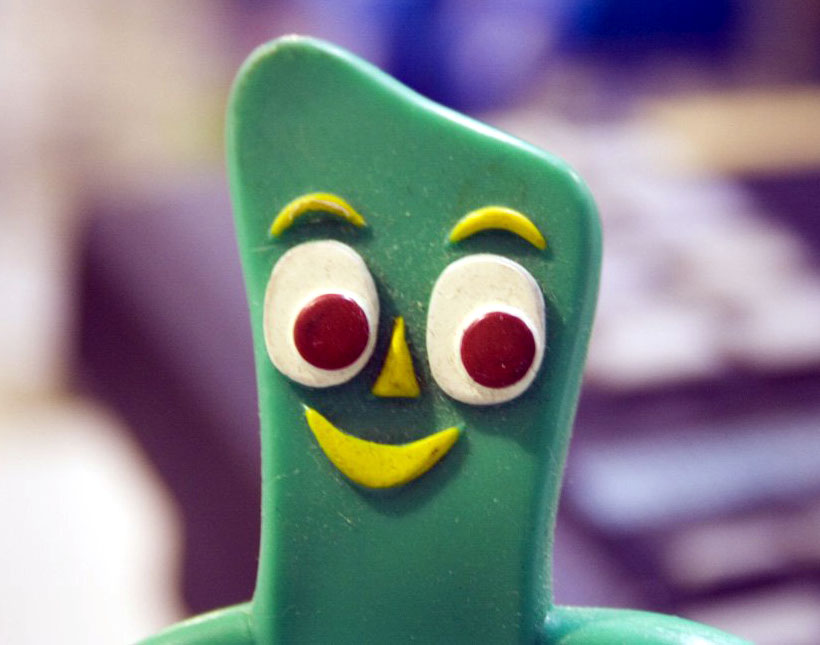
The enchanting realm of classic animation is a tapestry woven with whimsical characters, unforgettable journeys, and, at its heart, the magic of enduring friendships. Among the most cherished duos to ever grace our screens, Gumby and his steadfast sidekick stand tall: a verdant, flexible claymation cowboy and his equally iconic horse. While Gumby’s boundless enthusiasm and malleable form captivated millions, his equine companion introduced a unique blend of dry wit, steadfast loyalty, and a grounding presence to every adventure. For generations of fans, a fundamental question often surfaces: “What is Gumby’s horse’s name?” This seemingly straightforward query is a gateway to a deeper appreciation of animation history, meticulous character design, and the timeless appeal of a truly one-of-a-kind friendship.
Whether you're a devoted follower of the original series or a newcomer intrigued by classic pop culture, understanding the profound significance of Gumby’s trusty horse unveils much about the power of names, the nuances of character development, and the lasting legacy of masterful storytelling. So, let’s saddle up and delve into the captivating narrative behind Gumby’s horse, exploring the hidden depths and delightful quirks that cement this character's place in animation lore.
Unveiling the Enduring Name: Who is Gumby's Equine Companion?
At the very core of Gumby’s myriad escapades is his beloved companion, an unmistakable orange claymation horse who goes by the simple, yet perfectly fitting name: Pokey. Far more than just a background fixture, Pokey is an indispensable cog in the Gumby universe, consistently providing comic relief, unexpected wisdom, and an unwavering moral compass. His name, "Pokey," is not just catchy; it’s a subtle nod to his gentle, often cautious, and sometimes deliberately slow-paced personality, which acts as a perfect foil to Gumby's impulsive eagerness.
In the vast landscape of animated characters, where names often carry complex or symbolic meanings, Pokey's simplicity stands out. It reflects a character who, despite his unassuming demeanor, holds immense narrative weight. Much like the most memorable sidekicks in classic narratives, Pokey transcends the role of mere support. He frequently serves as the voice of reason, the wellspring of understated humor, and the steady, grounded force that expertly balances Gumby’s limitless curiosity and unbridled enthusiasm.
- Name: Pokey
- Species: Anthropomorphic Clay Horse
- Debut: 1956, alongside Gumby in "Gumbasia" and "The Gumby Show"
The bond between Gumby and Pokey is truly inseparable. As many aficionados would attest, "You simply cannot have Gumby without Pokey. They are an intrinsic package deal, representing the very heart and soul of one of animation’s most enduring and cherished friendships." Pokey’s name has, in essence, become synonymous with steadfast loyalty and the quiet strength of unwavering companionship, a poignant reminder that often, the greatest heroes are those who stand faithfully by our side, offering support and perspective. For a deeper dive into his identity, read What Is Gumby's Horse's Name? Meet the Iconic Pokey.
Pokey's Claymation Genesis: Crafting a Timeless Sidekick
The genesis of Pokey in the innovative world of claymation is a testament to pioneering creativity, artistic experimentation, and a visionary desire to expand the frontiers of television storytelling. Created by the legendary Art Clokey in the mid-1950s, Pokey was meticulously designed to complement Gumby’s often impulsive and adventurous spirit with a more thoughtful and grounded perspective. Clokey, a true trailblazer in stop-motion animation, envisioned Pokey as not just a companion, but an essential anchor for Gumby’s whimsical, often surreal, quests.
Pokey’s distinctive orange hue and his large, expressive eyes made him instantly recognizable and endearing to audiences. Furthermore, his simple, blocky yet flexible clay shape allowed animators to infuse the character with a surprisingly broad spectrum of emotions, despite the inherent limitations of the medium. The deliberate choice to make Pokey a horse was far from accidental. Throughout history and folklore, horses have powerfully symbolized loyalty, unwavering partnership, freedom, and the spirit of adventure—qualities that seamlessly integrated with the overarching themes of the Gumby show. In a stop-motion animation, a horse also provided a stable, yet dynamic, form that could convey both swift movement and cautious deliberation, enriching the visual storytelling.
Clokey's genius lay in understanding that while Gumby would be the curious, shape-shifting protagonist, he needed a foil to add depth and relatability. Pokey's slightly skeptical outlook and gentle nature provided this balance, creating a dynamic that allowed for both humor and valuable life lessons to unfold naturally. The intricate, frame-by-frame process of bringing Pokey to life with clay meant that every subtle tilt of his head or flick of his tail was imbued with intention, contributing to his rich, understated personality.
Beyond the Whimsy: The Profound Symbolism of Gumby's Horse
While the adventures of Gumby and Pokey are undoubtedly filled with whimsical charm, Gumby’s horse carries a deeper, resonant symbolism that speaks to timeless themes of friendship, wisdom, and the balance of contrasting personalities. Pokey is more than just a loyal steed; he embodies several archetypal roles that contribute significantly to the enduring appeal of the series.
The Embodiment of Loyalty and Steadfastness
First and foremost, Pokey represents unwavering loyalty. In a world where Gumby frequently leaps into unknown and sometimes perilous situations, Pokey is consistently by his side, ready to offer support, a cautious word, or a swift escape. This unconditional partnership is a core message of the show, illustrating the strength and comfort found in true friendship. His presence symbolizes the dependable friend who sticks with you through thick and thin, no matter how unusual the circumstances.
The Voice of Reason and Grounding Force
Pokey's "pokey" nature isn't merely about being slow; it's about being thoughtful, observant, and often the voice of reason. Where Gumby acts on impulse, Pokey often pauses, assesses, and offers a more measured perspective. This contrast is vital for narrative development, preventing Gumby from stumbling into irreversible predicaments and teaching young viewers the value of caution and forethought. In many episodes, Pokey’s reluctance or skepticism serves as a crucial plot point, guiding Gumby (and the audience) toward a safer or wiser decision. This dynamic offers a subtle but important lesson: sometimes, taking a moment to observe and reflect is more effective than rushing headlong into action. It's an actionable insight for navigating life's adventures, encouraging us to appreciate the "Pokey" moments of pause.
Humor Through Contrast
Pokey's dry humor and often deadpan delivery are a brilliant counterpoint to Gumby's earnestness. His sarcastic quips or exasperated sighs provide moments of levity that resonate with both children and adults. This comedic dynamic highlights the beauty of different personalities complementing each other, making their friendship feel more authentic and relatable. It teaches us that humor can arise from different perspectives and that even in serious situations, a lighthearted comment can make a big difference.
The Cultural Imprint: Why Pokey Resonates Through Generations
The legacy of Gumby’s horse, Pokey, extends far beyond the original claymation shorts and television series. His iconic status is a testament to the power of simple, yet deeply realized, character design and compelling narrative dynamics. Pokey's presence in the Gumby universe has left an indelible mark on popular culture, influencing subsequent generations of animators, storytellers, and fans alike.
Pokey, along with Gumby, helped popularize stop-motion animation, demonstrating its unique charm and expressive potential during an era dominated by cel animation. Their adventures introduced millions to a tangible, tactile world where imagination knew no bounds. The duo's enduring appeal lies in their timeless depiction of friendship, problem-solving, and embracing differences. Pokey's thoughtful character serves as a valuable example that strength doesn't always lie in speed or impulsivity, but often in patience, loyalty, and a discerning mind.
Moreover, the relationship between Gumby and Pokey offers practical insights into cultivating healthy relationships. It highlights the importance of having someone who balances your personality, offers different perspectives, and provides unwavering support. This makes revisiting the classic Gumby episodes a rewarding experience, as one can appreciate not just the innovative animation, but also the nuanced character interactions that continue to resonate. To further appreciate his unique contributions, explore Pokey's Lasting Impact: The Unsung Hero of Gumby's Adventures.
The continued popularity of Gumby and Pokey through re-runs, merchandise, and new interpretations underscores their profound cultural impact. They are more than just animated figures; they are symbols of creative innovation, enduring companionship, and the idea that even the most "pokey" of friends can be the most essential.
In conclusion, Gumby’s horse, Pokey, is far more than just a supporting character or a simple claymation figure. He is a cornerstone of the Gumby universe, a symbol of unwavering loyalty, quiet wisdom, and the invaluable balance that a thoughtful friend brings. From his humble beginnings in Art Clokey's pioneering studio to his current status as a beloved icon, Pokey’s story is a compelling reminder of how meaningful character development, even in its simplest forms, can create an unforgettable legacy that charms and teaches across generations. His enduring presence proves that sometimes, the greatest strength lies in being the steady, orange heart of an adventure.